Turning a shelf into a sales machine is pure merchandising: controlled layout, a clear merchandising plan, and flawless execution.
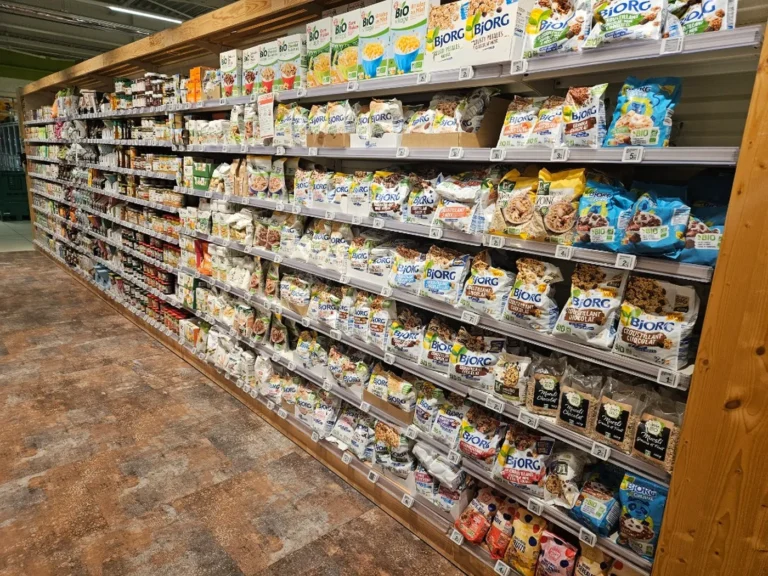
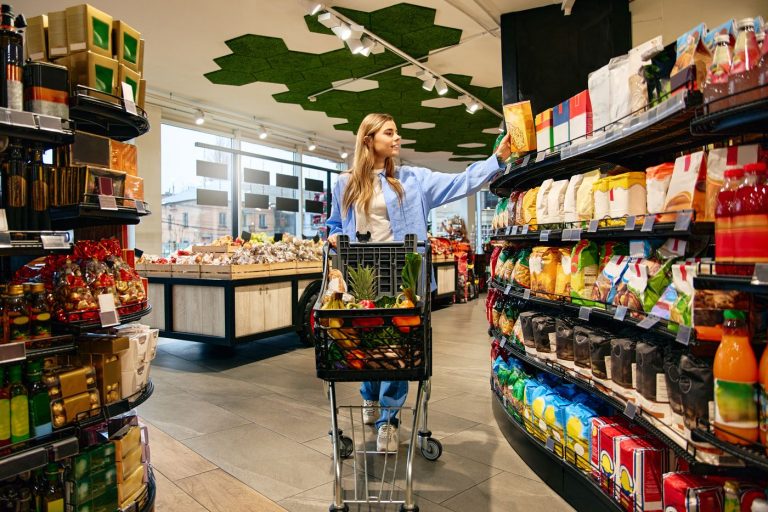
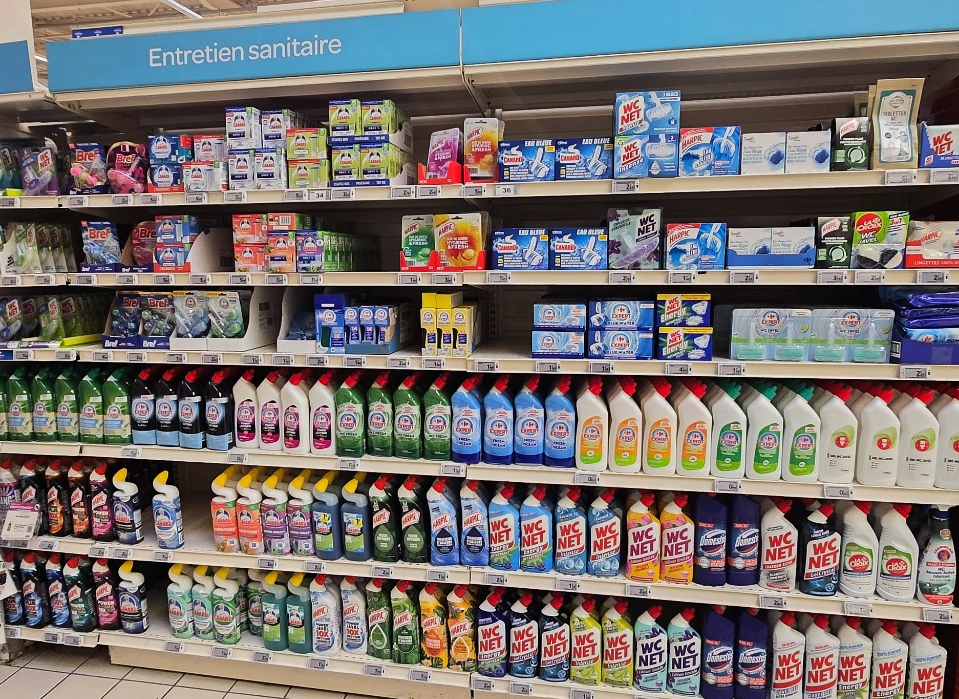
In supermarkets, every meter counts: precise zoning (hot zones/cold zones), shelf space optimization, negotiated shelf space, eye-catching end caps, carefully designed point-of-sale advertising, and a carefully calibrated product range.
The foundation: planograms, zoning, and customer journey
The starting point is a robust planogram: segmentation by family/segment, definition of facings, shelf height, and choice of vertical or horizontal layout depending on the category.
We combine organizational merchandising (clarity, quick identification) with appealing merchandising (staging, desire). The customer journey is clearly marked: signage, theatrical presentation, islands, cross-merchandising (e.g., sauces near pasta).
In terms of zoning, high-margin offerings are positioned in hot zones, while cold zones are energized by basics that stimulate discovery.
Objective: seamless shopping experience, increased average basket size, minimal friction.
The tools that make the difference
Merchandising software sets the framework: creation and management of planograms, layout simulations, and monitoring of compliance store by store.
In the field, a CRM system centralizes execution: mobile checklists for shelf space surveys, time-stamped photos, price surveys, POS verification, shelf space control, and out-of-stock alerts.
On the management side, dashboards and indicators orchestrate before/after analysis, track turnover rates, availability, conversion, and promotional ROI to enable quick and effective decision-making.
The whole thing is based on a merchandising charter and rule books (POS material, visual merchandising principles, color codes, theatricality) to ensure consistent execution.
Finally, the AIDA method guides the scripting: capture attention, arouse interest, trigger desire, and then facilitate action through easy access to the product, a clear price, and a clear promotion.
Field organization: who does what?
The best strategy dies without a field team. We structure roles:
- Area manager: negotiating shelf space, deploying end caps, deciding on assortment/product mix according to store type.
- Merchandiser/Brand ambassador: setup, staging, standardized reports, feedback of insights.
- Sales force & promoters: sales promotion (tastings, demonstrations) and support during peak periods (seasonal, innovations, operations).
- In-store training: micro-sessions on the charter, facings rules, anti-breakage procedures, best practices for restocking and merchandising.
Trade marketing coordination aligns the brand and distributor (visibility, pricing, promotions) and is supported by accompanying files consolidating performance, comparisons, and recommendations.
Execution & Control: the quality loop
The execution is managed in four stages:
- Audit: inventory, linear survey (facings, shortages, prices, POS advertising presence, compliance with the planigram).
- Setup: compliance with facings, gondola ends, zoning, clean signage, adjustments according to local constraints.
- Activation: clear promotions, theatrical displays, cross-merchandising that tells a story; communication before, during, and after.
- Monitoring & reporting: photos, key indicators (sales, sell-out, turnover rate, conversion), before/after analysis for a true test & learn approach.
The key word: recurrence.
We plan routes, prioritize high-potential stores, and make quick corrections (rebalancing assortments, reinforcing point-of-sale advertising, adjusting prices/promotions).
Result: fewer stockouts, greater visibility, tangible promotional ROI.
What if we collaborated with your field teams to develop your merchandising plan?
RMA supports your teams in standardizing shelf space, ensuring compliance with the planigram, gaining shelf space, and transforming gondola ends into conversion drivers.
Let's talk about merchandising plans, KPIs, and concrete results: contact RMA and let's take your merchandising to the next level.