Consumers aren't waiting for another pitch; they want proof they can grasp at their fingertips. Create appointments where use and emotion meet, in a simple journey that lifts the brakes and puts the audience in the driver's seat.
Each activation makes people want to try it out, reinforces attachment and maintains the link, on social networks and at the point of sale. Performance is seen as much in what stays top of mind as in additional sales.
What is brand activation?
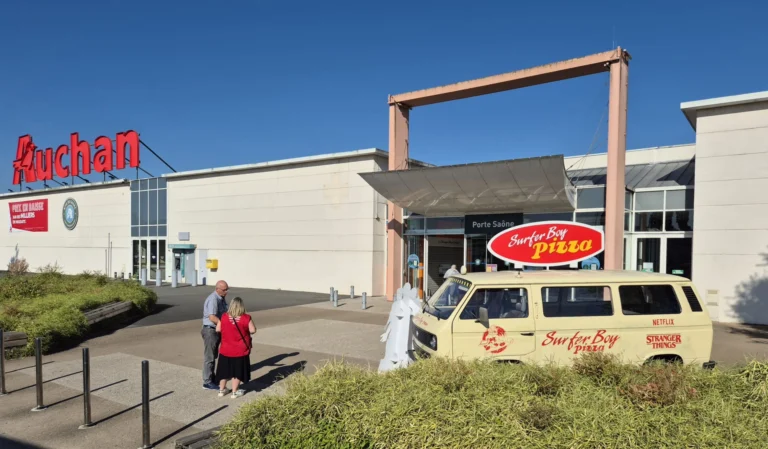
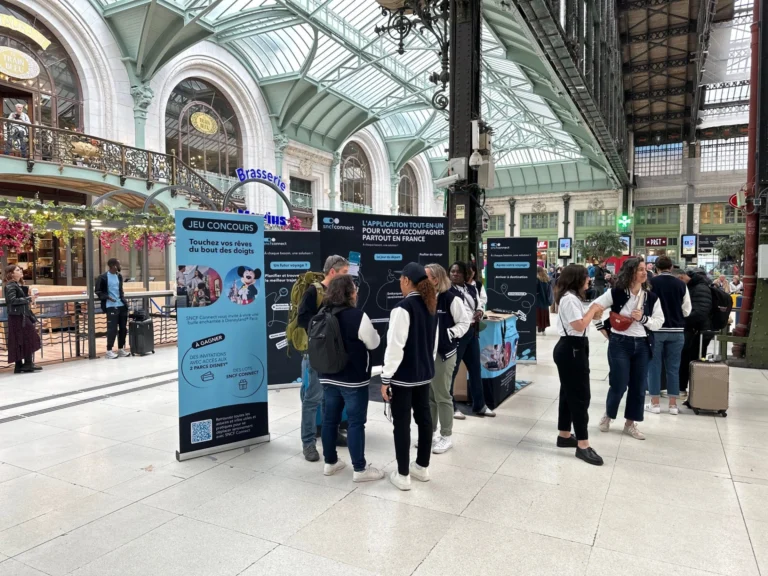
A brand activation is a device designed to provoke real interaction between the brand and its audiences: in-store, on the street, at an event, in a pop-up, at the heart of a festival... The common denominator: a moment experienced (not just seen), which moves from message to emotion, and from emotion to action.
Not to be confused with...
Not a simple promotion: activation targets the link, not just volume. Nor a "gimmick" operation: what counts is not the wow effect, but relevance to your target and your promise.
5 ingredients for a memorable experience
- A clear insight: a simple customer truth that guides all creation.
- A central idea (storyline): a common thread that links scenery, interactions, speeches and endowments.
- Activation of the senses: sight, sound, touch, taste, smell... Memory loves the multi-sensory.
- Human interaction: trained people capable of listening, demonstrating, responding and getting on board.
- Omnichannel coherence: what you experience on site must be an extension of what you see in digital, advertising and in-store.
Rule of thumb: if you can't sum up the experience in a simple phrase that your customer would want to share, the idea isn't clear enough.
The design framework: 7 steps from idea to impact
- Set measurable objectives: local awareness, trial rates, incremental sales, leads, reviews...
- Fine-tuning: who do you want to reach? Where and when to meet them? What obstacles/objections need to be overcome?
- Formulate the experience promise: "In 90 seconds, I discover, I test and I leave with...".
- Choose the right format: supermarket demonstration, multi-city road show, experiential stand, mini-workshop, product test...
- Design & pathways: scenography, flows, visual signals, welcome rituals, demonstration gestures, photo/sharing highlights.
- Team & training: scripting, sales pitches, answering objections, body language, posture.
- Logistics & compliance: authorizations, equipment, point-of-sale displays, restocking, peak management, Plan B for weather or crowds.
Activation ideas... depending on your objective
| Objective | A concrete example | How do I know if it works? |
|---|---|---|
| Discover | 3 sips to choose" tasting counter (flavor A or B) | Number of tastings + most popular flavour |
| Creating interaction | 30-second "before/after" challenge (beauty or home) | Number of participants |
| Generate content | Photo area with branded frame | Number of photos / videos posted by customers on RS |
| Accelerate sales | QR code on the stand → "2+1" coupon for immediate use | Coupons used + sales of the day |
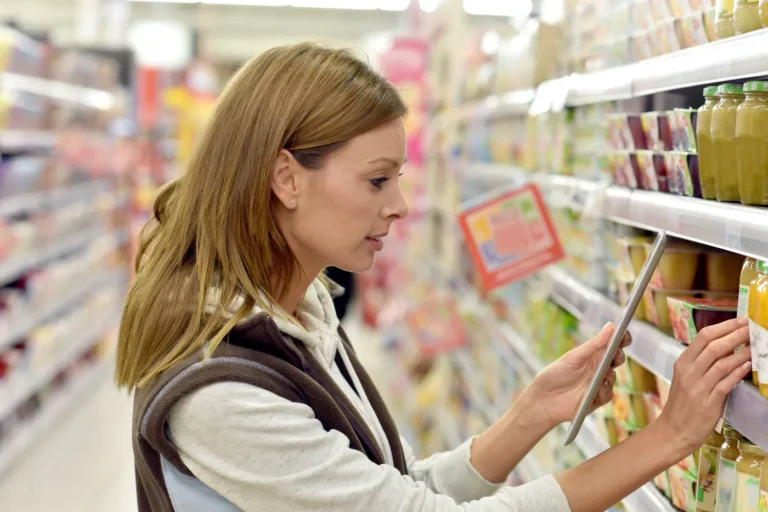
| Understanding the obstacles | Single question on tablet: "What's blocking you?" | Number of responses + main obstacles noted |
Linking field and digital (in both directions)
Before the operation, announce the activation wherever your customers are: geolocated messages, e-mail invitations and relay by the retailer.
During the animation, simplify participation with a QR to scan, a very short form and an immediate response.
After the event, thank visitors, highlight the best content and offer a clear follow-up: trial, discount or registration.
Measuring what really matters
To evaluate an activation, focus on three areas: attendance, participation and commercial impact.
Attendance is measured by the number of people reached and the time spent on the stand.
Participation is reflected in demonstrations, product trials and games.
The commercial impact can be seen in sales during the operation and in the days that follow, as well as in the use of the benefits given.
Finally, add a measure of quality / level of satisfaction, hot feedback, willingness to recommend, and observe online resonance through content published by visitors and new registrations. From the outset, define the proof you need and how you'll collect it (dashboard, photos, cash register statements).
Common mistakes (and how to avoid them)
We often fail for the same reasons. We believe that the product will sell itself, and we duplicate the same device everywhere, underestimating the role of the teams.
To remedy this, we need to stage proof-of-use with clear benefits and a clear before-and-after plan; adapt the system to flows, brands and moments in life; train teams with key words and simple rituals; co-construct locations, objectives, relays and results with the distributor; and anticipate logistics with checklists, rehearsals, a plan B and an operational contact.
Need a partner to design and deploy?
At RMA, we imagine and operate field activations that create real memories and boost your results: design, team recruitment and training, logistics, execution, reporting and debriefing. Let's turn your ideas into experiences that count.